Creating a relaxing home office space is essential for anyone working remotely or spending many hours at home. A well-designed workspace can help reduce stress, improve focus, and boost overall productivity. If you find yourself struggling to stay motivated or feeling overwhelmed by clutter and distractions, it might be time to rethink your home office setup. This guide offers practical tips to transform your workspace into a calm, comfortable, and efficient environment.
Why a Relaxing Home Office Matters
Your home office is more than just a desk and a computer. It’s a place where you spend a significant amount of time, so its atmosphere directly affects your mental well-being and work quality. A cluttered or uncomfortable space can lead to frustration, fatigue, and decreased productivity. On the other hand, a thoughtfully designed home office can promote creativity, concentration, and a positive mindset.
Choose the Right Location
Quiet and Bright
Start by selecting a spot in your home that minimizes noise and disruptions. If possible, choose a room with natural light, such as near a window. Sunlight helps regulate your body clock, improves mood, and reduces eye strain. If natural light is limited, invest in good quality lighting that mimics daylight.
Separate Work from Relaxation
Avoid setting up your office in places associated with rest or leisure, like your bedroom or living room couch. Separating work zones from relaxation areas helps create mental boundaries, making it easier to switch between “work mode” and “home mode.”
Invest in Comfortable Furniture
Ergonomic Chair
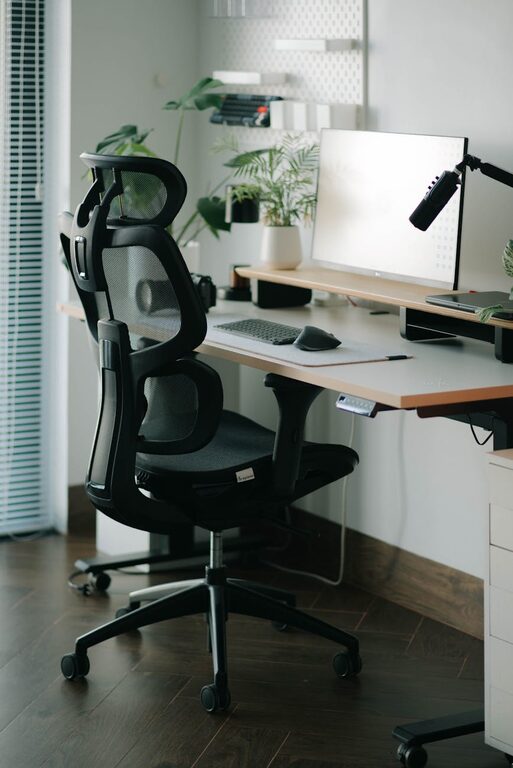
Your chair should provide good support for your back, neck, and arms. Look for adjustable chairs that fit your body size and allow you to sit with feet flat on the floor and knees at a 90-degree angle. Comfort prevents strain and fatigue during long working hours.
Spacious Desk
Choose a desk with enough surface area to accommodate your computer, notes, and essential tools without clutter. A desk with storage options like drawers or shelves can help keep items organized and within reach.
Optimize Layout and Organization
Declutter Regularly
A clean workspace reduces distractions and creates a sense of calm. Use organizers, trays, or baskets to keep documents and supplies in order. Schedule weekly tidying sessions to maintain a neat environment.
Use Vertical Space
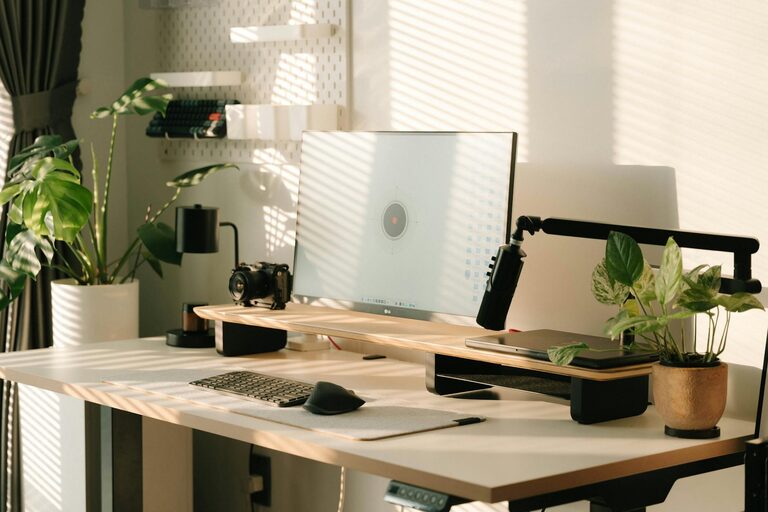
Shelves, wall-mounted organizers, or pegboards can free up desk space and keep frequently used items accessible. Vertical storage also adds to the room’s aesthetics when arranged thoughtfully.
Cable Management
Messy cables can be stressful and make your desk look chaotic. Use cable clips, ties, or sleeves to bundle wires neatly and keep them out of sight.
Personalize Your Space
Add Plants
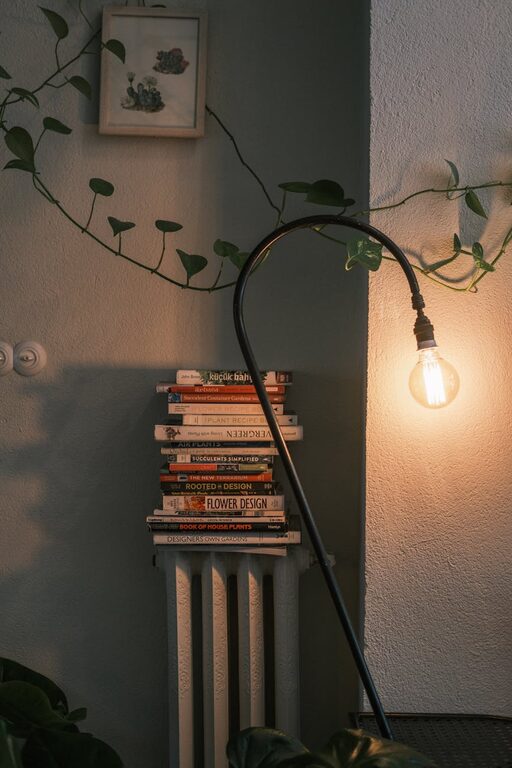
Indoor plants bring life to your office and improve air quality. Choose low-maintenance options like succulents or snake plants. Their presence can also reduce stress and increase productivity.
Display Inspiring Items
Decorate your desk or walls with items that motivate you, such as artworks, photographs, or quotes. However, keep decorations minimal to avoid sensory overload.
Control Lighting and Noise
Adjustable Lighting
Use a combination of overhead lights and desk lamps to create layered lighting. Dimmable lamps allow you to adjust brightness based on the task or time of day.
Reduce Noise
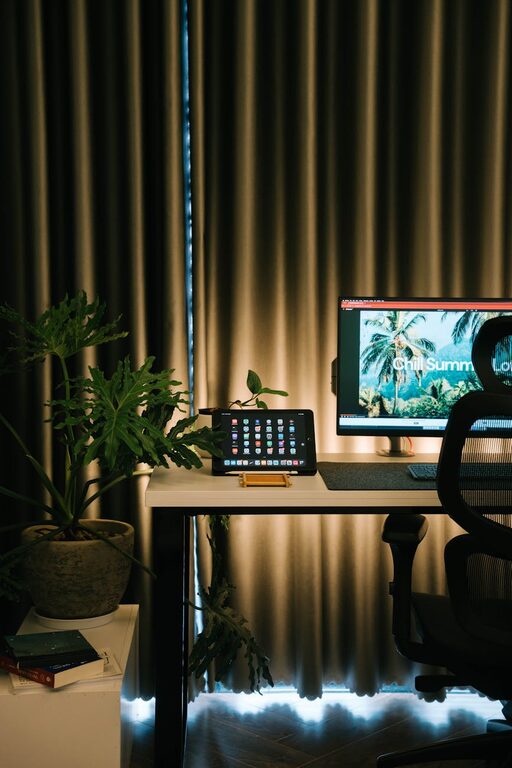
If outside noise is a problem, consider adding rugs, curtains, or sound-absorbing panels to soften sound. Noise-cancelling headphones are another effective solution for maintaining focus.
Incorporate Comfort and Break Areas
Even in small spaces, try to create a spot for short breaks. A comfortable chair or cushion nearby encourages you to step away from your desk now and then, which can refresh your mind and reduce eye strain.
Keep Technology User-Friendly
Up-to-Date Equipment
Invest in reliable and updated technology to avoid frustration with slow or malfunctioning devices. A fast internet connection, an ergonomic keyboard, and a good mouse can make a big difference.
Dual Monitors
If your work involves multitasking or reviewing multiple documents, using two screens can increase efficiency and reduce repetitive switching.
Establish Healthy Work Habits
Set Boundaries
Design your office layout to signal the start and end of your workday. For example, closing a door or covering your desk when finished helps you mentally transition to personal time.
Take Regular Breaks
Use techniques like the Pomodoro method—working in focused intervals with short breaks—to keep your energy levels steady throughout the day.
—
By applying these tips, you can create a home office space that not only looks inviting but also supports your well-being and productivity. Remember, the best workspace reflects your personal needs and preferences, so feel free to experiment until you find what works best for you. A comfortable, organized, and relaxing office helps you enjoy working from home while staying motivated and efficient.
About the Author